 XinYue China
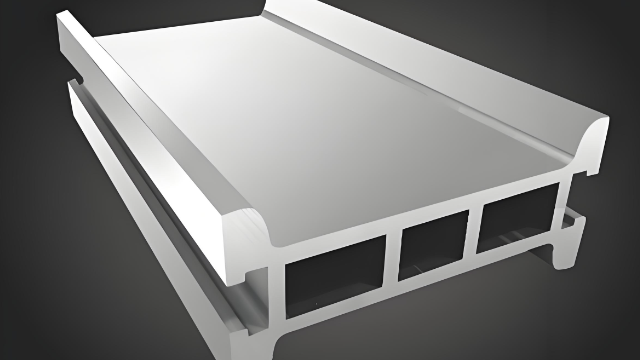
1. Anodizing
Process: Clean profiles are soaked in a dye bath and then cured at high temperature, resulting in a finish similar to that of an iPhone case.
Aluminum or aluminum alloy products are used as the anode in an electrolyte solution, and electrolysis forms an aluminum oxide film on their surface.
Features: Smooth surface with strong metallic texture, but limited color options.
Market Demand: High requirements for equipment and technology, only large aluminum factories can perform it. Quality is reliable. It is mostly used for mass surface treatment of profiles and is not common in the home improvement retail market.
2. Electrophoretic Coating
Process: The process is similar to anodizing, except that after curing, an additional layer of coating is applied to the surface mainly for protection.
The anodized product is used as the anode, and aluminum or stainless steel as the cathode, immersed in a thermosetting acrylic transparent resin solution. Under the action of an external electric field, negatively charged coating particles move towards the product, forming an adhesive paint film on its surface.
Features: Excellent weather resistance, smooth surface, bright and elegant appearance, but the paint film is relatively easy to scratch.
Market Demand: Similar to anodizing; rarely available in the retail market.
3. Powder Coating
Process: Profiles are colored with powder coating. Also known as electrostatic spraying, powder coating uses the principle of electrostatics: atomized paint particles are negatively charged in a high-voltage electric field and then attracted directionally to the positively charged profile surface, forming a firm coating.
Features: Wide color selection, strong weather resistance.
Market demand: Powder coating has better equipment adaptability, process maturity and operability, with higher color customization. It is more suitable for residential windows and doors. There are many coating factories of all sizes, making it the most widely used surface treatment for profiles in the retail market.
4. Fluorocarbon (PVDF) Coating
Process: A more advanced process than powder coating. It is based on polyvinylidene fluoride (PVDF) mixed with metallic powder, providing a metallic luster. To achieve better performance, two-coat or three-coat processes are commonly used.
Features: An upgraded version of powder coating with higher durability; it offers the same wide color selection as powder coating.
Market demand: Similar to powder coating.
5. Wood Grain Transfer Printing
Process: A transfer film printed with wood grain patterns is attached to the qualified powder-coated aluminum surface. Vacuum treatment ensures full adhesion, and heating transfers the ink from the film into the powder coating, creating a realistic wood appearance.
Features: The wood grain finish is popular among specific users, but its weather resistance is relatively poor. It is more suitable for interior decoration and not recommended for outdoor exposed surfaces.

WhatsApp
Scan the QR Code to start a WhatsApp chat with us.